



Polish citizenship by descent
Obtaining Polish citizenship by descent requires thorough documentation, legal analysis, and compliance with historical citizenship regulations. The process, formally known as confirmation of citizenship, verifies whether Polish nationality has been transmitted through generations under the principle of ius sanguinis.
- Benefits of Polish citizenship
- Military paradox rule – Polish citizenship law
- Polish citizenship for a child born abroad
- Confirmation of Polish citizenship
- Polish Citizenship by Descent
Are you looking for answers to these or other questions? Do you need legal assistance?
Contact us: Gawor Kancelaria Prawna Gaworlegal +48 667 701 513, info@gaworlegal.pl
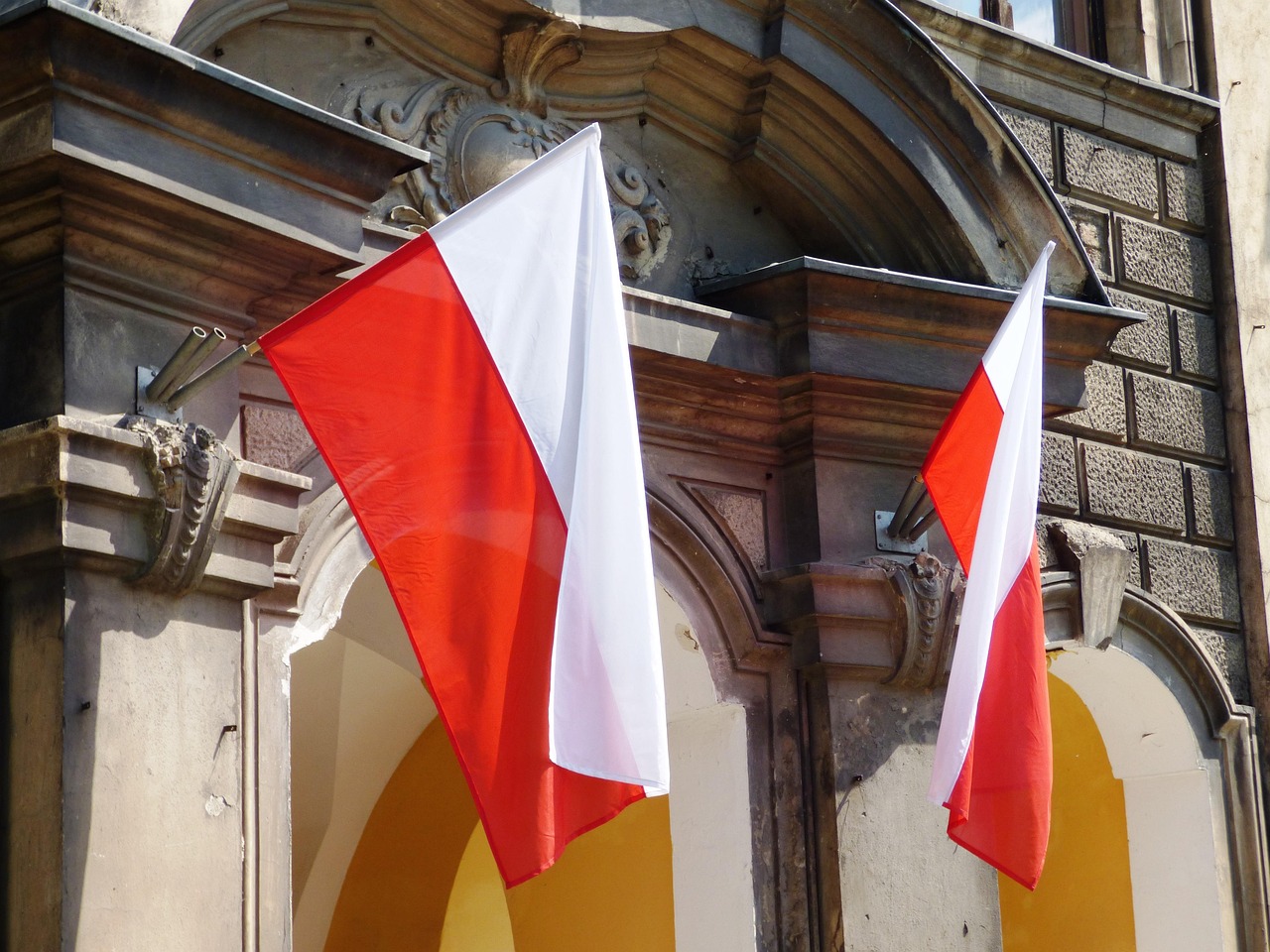
Get Polish citizenship – Ministry of the Interior
Detailed procedure and historical examples
The first stage involves collecting original documents such as Polish birth certificates, marriage certificates, military records, or archival confirmations of residency.
Detailed steps and requirements
Foreign civil status documents must be translated into Polish by a sworn translator or a Polish consul. The application is submitted to the competent voivode based on the last place of residence in Poland, or through a Polish consulate if the applicant lives abroad. Processing typically takes around one year. In case of refusal, an appeal may be filed with the Minister of Interior and Administration within 14 days. After confirmation, civil records must be transcribed into Polish registry books before applying for a passport.
Historical examples – different regions and nationalities
Consider a Ukrainian great-grandmother who resided in Lwów in February 1920 and later emigrated to Argentina in 1925 without acquiring Argentine citizenship. Because she was permanently settled within the territory incorporated into the Polish State after World War I, she obtained Polish citizenship automatically under the 1920 Act. If she never lost it, she could pass it to her descendants.
In another case, a Lithuanian ancestor born in Vilnius in 1905 moved to France in 1937 and became a French citizen in 1948. If he was still liable for military service at the time and lacked official consent from Polish authorities, he may have retained Polish citizenship under the so-called military exception.
A German-speaking family from Upper Silesia who remained in Katowice until 1939 but were forcibly granted Soviet citizenship in 1945 would generally not lose Polish citizenship if the change was involuntary. However, if they later permanently settled in the USSR and failed to declare Polish nationality under bilateral agreements of the late 1950s, citizenship could have been extinguished.
Each Polish citizenship by descent case depends on precise historical facts, territorial changes, and individual legal status. Professional assessment ensures compliance with archival evidence and evolving citizenship laws.